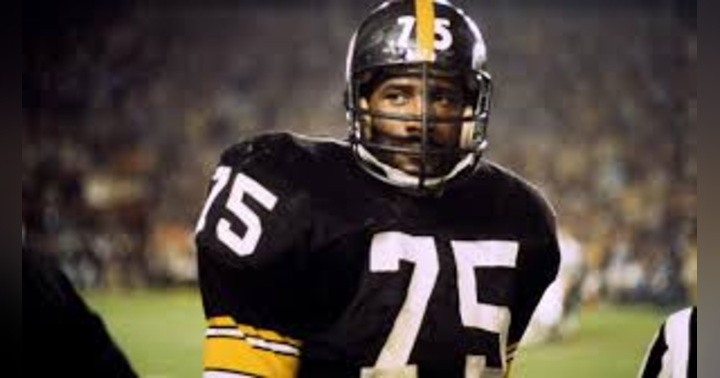

Troy Polamalu - The Legendary Pittsburgh Steelers Safety
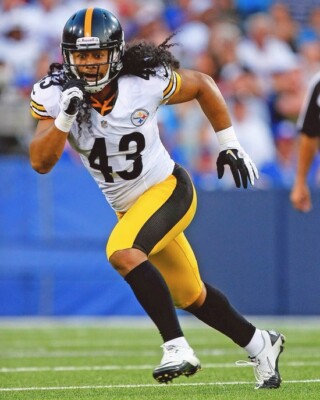
The Legendary Journey of Troy Polamalu: From California Dreams to Steel City Immortality
In the pantheon of NFL greatness, few players have captured the imagination and respect of fans quite like Troy Aumua Polamalu. With his flowing black hair streaming behind him as he launched into bone-crushing tackles and gravity-defying interceptions, Polamalu became the embodiment of Pittsburgh Steelers football for over a decade. His story transcends mere statistics—it's a tale of cultural pride, unwavering dedication, and the transformation of an entire defensive philosophy.
Roots in Paradise: The Making of a Warrior
Born on April 19, 1981, in Garden Grove, California, Troy's journey began in a household steeped in Samoan tradition and American dreams. Raised primarily by his mother, Suila, and aunt, Shelley, after his parents' divorce, young Troy learned the values of family, respect, and perseverance that would define his character both on and off the field.
The Polamalu household was a unique blend of cultures. His mother's Samoan heritage brought ancient warrior traditions and deep spiritual beliefs, while his American upbringing provided opportunities that previous generations could only dream of. This duality would later manifest in Troy's playing style—a perfect marriage of instinctive ferocity and calculated intelligence.
Growing up in Southern California, Troy initially gravitated toward baseball and track, showing exceptional speed and athleticism. However, it was at Douglas High School in Winston, Oregon, where he moved to live with his aunt and uncle, that football truly captured his heart. The small-town environment allowed him to flourish, playing multiple positions and showcasing the versatility that would become his trademark.
USC Glory and the Foundation of Greatness
At the University of Southern California, Polamalu's transformation from promising athlete to future NFL star accelerated under the guidance of Pete Carroll. The Trojans' program was experiencing a renaissance, and Troy became a cornerstone of their defensive resurgence.
His college career was marked by spectacular plays that hinted at his future greatness. Whether it was his acrobatic interceptions, his ability to diagnose plays before they developed, or his fearless approach to tackling running backs twice his size, Polamalu displayed an intuitive understanding of the game that coaches couldn't teach.
The highlight of his USC career came during his junior season when he helped lead the Trojans to an 11-2 record and a victory in the Las Vegas Bowl. His performance against Auburn showcased his range and athleticism, as he seemed to be everywhere on the field simultaneously—a preview of what NFL fans would witness for years to come.
Steel City Calling: The 2003 NFL Draft
When the Pittsburgh Steelers selected Troy Polamalu with the 16th overall pick in the 2003 NFL Draft, they weren't just acquiring a talented safety—they were adding the final piece to their defensive puzzle. The Steelers' scouting department, led by the legendary Bill Cowher and defensive coordinator Dick LeBeau, recognized something special in the young Samoan-American.
From his first training camp, Polamalu's impact was undeniable. Veterans like Jerome Bettis and Hines Ward immediately recognized his work ethic and natural leadership qualities. His rookie season saw him gradually earn playing time, but it was clear that something extraordinary was developing in Pittsburgh's secondary.
The transformation wasn't immediate, but it was inevitable. LeBeau's zone blitz scheme required a safety who could think like a linebacker, cover like a cornerback, and hit like a freight train. Polamalu possessed all these qualities and more—he brought an almost supernatural ability to anticipate offensive plays before they unfolded.
The Golden Era: Super Bowl Championships and Individual Excellence
The mid-2000s represented the pinnacle of both Polamalu's career and the Steelers' defensive dominance. The 2005 and 2008 Super Bowl championships weren't just team achievements—they were testaments to Troy's ability to elevate everyone around him.
During the 2005 playoff run, Polamalu's performance against the Indianapolis Colts in the divisional round became the stuff of legend. His interception of Peyton Manning and subsequent 87-yard return for a touchdown didn't just change the game—it announced to the NFL that a new defensive force had arrived.
The 2008 season showcased Polamalu at his absolute peak. His seven interceptions, including a crucial pick-six against the San Diego Chargers, demonstrated his ability to create game-changing moments when his team needed them most. The Defensive Player of the Year award that followed was richly deserved recognition for a player who had redefined the safety position.
What made these achievements even more remarkable was Polamalu's consistency in the biggest moments. Whether it was the AFC Championship game against the Baltimore Ravens or Super Bowl XLIII against the Arizona Cardinals, Troy consistently delivered clutch performances when the stakes were highest.
Revolutionary Impact: Redefining the Safety Position
Polamalu's influence extended far beyond individual accolades. He fundamentally changed how NFL teams approached the safety position and defensive strategy. His unique combination of speed, instincts, and fearlessness allowed Dick LeBeau to deploy defensive schemes that had never been possible before.
The famous "Troy Polamalu Rule" emerged from his uncanny ability to time the snap count perfectly, leading to several offside penalties that frustrated offensive coordinators across the league. Rather than curtail his aggressiveness, the rule changes only seemed to fuel his creativity in finding new ways to disrupt opposing offenses.
His hair became as iconic as his play, flowing behind him like a battle standard as he pursued ball carriers across the field. The $1 million insurance policy that Head & Shoulders took out on his locks wasn't just a marketing gimmick—it was recognition of a cultural phenomenon that transcended sports.
Leadership Beyond Statistics
While Polamalu's statistical achievements were impressive—32 career interceptions, 12 forced fumbles, and 783 tackles—his true value to the Steelers franchise lay in his leadership and cultural impact. He became the emotional and spiritual leader of Pittsburgh's defense, a role that extended far beyond game day.
Teammates consistently spoke of Troy's preparation and film study habits. He would spend countless hours analyzing opposing offenses, looking for tendencies and tells that would give him split-second advantages during games. This dedication to preparation became infectious throughout the locker room, raising the standard of excellence for the entire organization.
His relationship with fellow defensive backs like Ike Taylor and Ryan Clark created a secondary that communicated seamlessly and played with complete trust in one another. This chemistry was evident in their ability to execute complex defensive schemes that required precise timing and positioning.
Overcoming Adversity: The Injury-Plagued Later Years
The latter portion of Polamalu's career was marked by a series of injuries that would have ended lesser players' careers. Concussions, knee injuries, and various other ailments began to accumulate, but his determination to continue playing at an elite level never wavered.
The 2010 season represented perhaps his most impressive individual campaign, as he battled through multiple injuries to record seven interceptions and earn his fourth Pro Bowl selection. His ability to maintain his high level of play despite physical limitations demonstrated the mental toughness and competitive spirit that defined his character.
Even as his body began to betray him, Polamalu's football intelligence and leadership became even more valuable. Younger players like Lawrence Timmons and Lamarr Woodley benefited from his mentorship, learning not just defensive techniques but the mental approach required to succeed at the highest level.
Retirement and Hall of Fame Recognition
When Troy Polamalu announced his retirement following the 2014 season, it marked the end of an era in Pittsburgh. His 12-year career had produced eight Pro Bowl selections, six All-Pro honors, and two Super Bowl championships, but more importantly, it had established him as one of the greatest safeties in NFL history.
The 2020 Pro Football Hall of Fame induction was a foregone conclusion, but the ceremony itself provided an opportunity to reflect on his broader impact on the game. His induction speech, delivered with characteristic humility and grace, emphasized family, faith, and the teammates who had supported him throughout his journey.
The Hall of Fame recognition wasn't just about individual achievement—it was acknowledgment of how one player could transform an entire defensive philosophy and inspire a generation of young athletes to pursue excellence both on and off the field.
Life After Football: Continued Impact and Legacy
Retirement hasn't slowed Polamalu's commitment to making a positive impact. His involvement in various charitable organizations, particularly those supporting youth development and Pacific Islander communities, reflects the values instilled in him during his upbringing.
His business ventures, including partnerships with various health and wellness companies, demonstrate his continued commitment to excellence in new arenas. The transition from NFL superstar to successful entrepreneur has been seamless, powered by the same work ethic and attention to detail that made him great on the football field.
Perhaps most importantly, Polamalu has remained connected to the Steelers organization and the Pittsburgh community. His presence at team events and his mentorship of current players ensures that his influence on the franchise will continue for years to come.
The Enduring Legacy of Number 43
Troy Polamalu's impact on the Pittsburgh Steelers and the NFL extends far beyond his playing career. He proved that intelligence and instinct could triumph over pure athleticism, that preparation and dedication could overcome physical limitations, and that individual excellence could elevate an entire organization.
For young athletes, particularly those from Pacific Islander backgrounds, Polamalu represents the possibility of achieving greatness while maintaining cultural identity and personal values. His success opened doors and created opportunities for future generations to pursue their dreams at the highest levels of professional sports.
The number 43 jersey remains one of the most popular in Pittsburgh, a testament to the lasting connection between player and fanbase. More than just a uniform number, it represents an era of defensive excellence and championship football that Steelers fans will never forget.
Troy Polamalu's story is ultimately one of transformation—of a young man who honored his heritage while pursuing American dreams, of a player who revolutionized his position while remaining true to his values, and of a champion who achieved individual greatness while never forgetting the importance of team success. His legacy lives on not just in record books and highlight reels, but in the hearts and minds of everyone who witnessed his remarkable journey from California dreamer to Steel City legend.
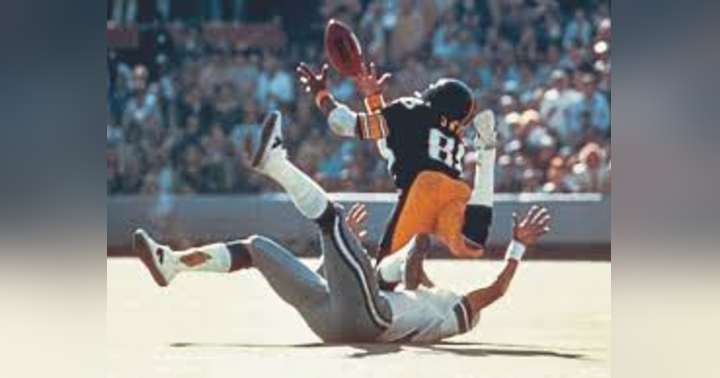
Legendary Steeler Lynn Swann