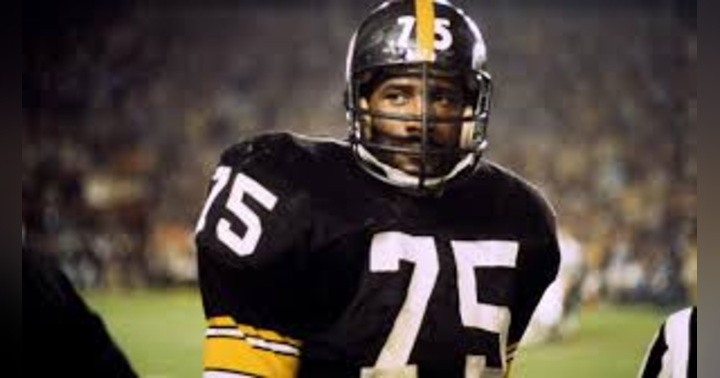

Mike McCarthy's Career
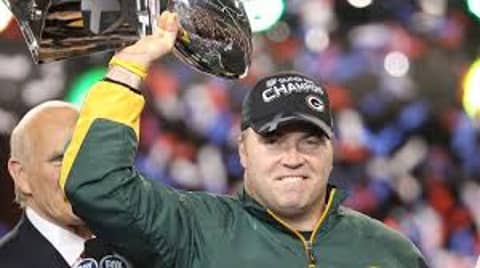
Mike McCarthy stands as one of the most polarizing head coaches in modern NFL history. After guiding the Green Bay Packers to a Super Bowl victory and establishing an impressive 125-77-2 regular-season record, his career took a series of unexpected turns. The Pittsburgh native's journey through the coaching ranks represents a fascinating case study in both resilience and adaptation.
Throughout his career, McCarthy has demonstrated an ability to develop quarterbacks and design effective offensive systems. His work with Aaron Rodgers transformed the Packers quarterback into a future Hall of Famer, while his time in Dallas showed both promise and limitations. Now, as speculation grows about a potential homecoming to Pittsburgh, football analysts wonder if McCarthy's experience could revitalize the Steelers organization.
This comprehensive analysis examines McCarthy's complete coaching trajectory, specifically focusing on what his leadership might bring to the Steelers franchise. From his early coaching influences to his championship pedigree, we'll explore why McCarthy might represent the new hope Pittsburgh has been searching for since Mike Tomlin's departure.
Early Life and Playing Career
Born on November 10, 1963, in Pittsburgh, Pennsylvania, Mike McCarthy's roots run deep in the Steel City, a connection that would shape his identity both as a person and a coach.
Growing up in Pittsburgh
McCarthy was raised in Greenfield, a tight-knit, blue-collar neighborhood just outside downtown Pittsburgh. His childhood home was nestled among the families of steel mill workers during an era when the mills were "busting at the seams". His father, Joe McCarthy Jr., wore multiple hats as a firefighter for the Pittsburgh Fire Bureau, a police officer, and the owner of Joe McCarthy's Bar and Grill. McCarthy's mother, Ellen, worked as a secretary, in restaurants, and for the Peace & Justice Center. Together, they instilled in him the values of hard work and humility.
The Pittsburgh of McCarthy's youth offered endless opportunities for neighborhood games and friendly competitions. "The Greenfield Ave. kids would play games against kids on Exeter St. and then Loretto Rd. and so on down the neighborhoods," he recalled. Sundays meant cleaning his father's bar before church and then rushing home to watch his beloved Steelers play.
McCarthy grew up during the golden era of Pittsburgh sports—witnessing the Pirates' World Series victories in 1971 and 1979, as well as the Steelers' four Super Bowl wins in a five-year span. "It was just such a phenomenal time to grow up in the '70s in Pittsburgh," McCarthy reminisced. During these formative years, he even met Art Rooney, the legendary Steelers founder known as "The Chief".
College football journey and leadership roles
McCarthy's path through college football wasn't straightforward. After graduating from Bishop Boyle High School, he initially attended Salem University in West Virginia before returning home to help at his father's bar. In 1984, he embarked on a new chapter at Scottsdale Community College in Arizona, playing one season for the quirky-named "Fighting Artichokes".
His collegiate career truly flourished after transferring to Baker University, an NAIA school in Baldwin City, Kansas. At Baker, McCarthy excelled as a tight end, earning two all-conference honors. His leadership qualities became evident when he was named team captain in 1986, leading the Wildcats to an impressive national runner-up finish in NAIA Division II. McCarthy completed his education at Baker by earning a Bachelor's degree in Business Administration in 1987.
Transition from player to coach
The transition from player to coach came naturally for McCarthy. In 1987, he accepted a position as a defensive graduate assistant at Fort Hays State University in Kansas. Under defensive coordinator Duane Dirk, McCarthy spent two years focusing on linebackers and defensive ends. During this period, he also pursued higher education, obtaining a Master's degree in Sports Administration in 1989.
McCarthy's coaching journey continued when he joined the University of Pittsburgh as an assistant coach. Initially working without pay, he served under head coaches Mike Gottfried and Paul Hackett. This experience at Pitt represented McCarthy's first coaching role in his hometown, foreshadowing his eventual return to the Steel City decades later.
These early experiences—growing up in a hardworking Pittsburgh family, playing college football, and cutting his teeth in coaching—laid the foundation for McCarthy's future career. The work ethic instilled by his parents and the football culture of Pittsburgh became fundamental elements of his coaching philosophy.
Climbing the Coaching Ladder
After hanging up his cleats as a player, McCarthy methodically built his coaching career through a series of strategic moves that ultimately positioned him for NFL head coaching opportunities.
First coaching roles in college football
Following his initial defensive coaching stint at Fort Hays State, McCarthy shifted his focus entirely to offense—a decision that would define his career trajectory. His return to his hometown in 1989 marked an important step, joining the University of Pittsburgh coaching staff. Initially working as an unpaid assistant under head coaches Mike Gottfried and Paul Hackett, McCarthy demonstrated remarkable dedication to his craft.
At Pitt, McCarthy advanced from volunteer wide receivers coach to graduate assistant and video coordinator between 1990-1991. By 1992, he had earned a position as the full-time wide receivers coach, where he honed his skills in player development and offensive strategy. These formative years at Pitt proved invaluable, establishing McCarthy's reputation as a detail-oriented coach with a growing expertise in offensive football.
NFL entry with Kansas City Chiefs
McCarthy's big break came in 1993 when he joined the Kansas City Chiefs as an offensive quality control assistant under head coach Marty Schottenheimer. This entry-level NFL position immersed him in professional football operations, contributing to the Chiefs' impressive 11-5 regular-season record and AFC Championship Game appearance that year.
His diligence paid off quickly with a promotion to quarterbacks coach in 1995, a position he held through the 1998 season. This period proved particularly significant as McCarthy worked alongside Hall of Fame quarterback Joe Montana during the legend's final NFL seasons. Furthermore, he helped quarterback Steve Bono lead the Chiefs to a remarkable 13-3 record and playoff berth in 1995.
Throughout his six years on Schottenheimer's coaching staff, McCarthy established himself as a quarterback specialist 3. His approach emphasized accuracy, decision-making, and integration within the West Coast system's short-pass framework—laying the groundwork for his future offensive innovations.
Offensive coordinator years: Saints and 49ers
McCarthy's career took another significant leap forward when he joined the Green Bay Packers as quarterbacks coach under Ray Rhodes in 1999. Working with Brett Favre, he helped the quarterback amass 4,091 passing yards and earn a Pro Bowl selection that season.
Subsequently, McCarthy secured his first offensive coordinator position with the New Orleans Saints in 2000 under head coach Jim Haslett. Over five seasons (2000-2004), he transformed the Saints' offense into one of the league's more productive units. The team compiled a 42-38 regular-season record during his tenure, including their first playoff appearance in franchise history after finishing 10-6 in 2000.
Under McCarthy's guidance, the Saints offense ranked in the top 10 for total yards and points in 2000 and surged to third in scoring with 432 points in 2002. His balanced offensive approach featured standout performances from running backs Ricky Williams and Deuce McAllister, alongside deep threats like receiver Joe Horn.
In 2005, McCarthy faced perhaps his greatest professional challenge as offensive coordinator for the struggling San Francisco 49ers under new head coach Mike Nolan. Despite the team's 4-12 finish and the offense ranking 30th in points scored (239 total, 14.9 per game), this experience proved valuable. McCarthy worked extensively with rookie first-overall pick Alex Smith, installing West Coast principles amid challenging circumstances.
This varied coaching journey through college football and multiple NFL teams established McCarthy as an offensive innovator ready for greater responsibilities. His reputation for quarterback development and strategic offensive design would soon catch the attention of a team looking for a new leader—the Green Bay Packers.
Green Bay Packers Era: Rise to Prominence
In January 2006, the Green Bay Packers turned to a relatively unknown offensive coordinator to lead their storied franchise. This decision would ultimately shape over a decade of the organization's history.
Becoming head coach in 2006
The Packers named Mike McCarthy their 14th head coach on January 11, 2006, just three days after his interview with general manager Ted Thompson. At 42, McCarthy became the NFL's youngest head coach at that time. Thompson was impressed by McCarthy's leadership ability, toughness, football knowledge, and awareness of Green Bay's unique organizational culture. The hire came after McCarthy's challenging season as San Francisco's offensive coordinator, where he had worked with rookie quarterback Alex Smith.
McCarthy's first season showed promise amidst struggles. After starting 4-8, the team rallied to win their final four games, finishing 8-8. This resilience foreshadowed what would become a hallmark of McCarthy's Packers teams.
Super Bowl XLV victory and legacy
The 2010 season proved defining for McCarthy's career. Despite placing 25 players on injured reserve throughout the season, McCarthy guided the Packers to a 10-6 regular season finish. Entering the playoffs as the sixth seed, Green Bay defeated the Eagles, thoroughly dominated the top-seeded Falcons 48-21, and overcame the Bears in the NFC Championship Game.
Super Bowl XLV featured a bold McCarthy moment. The night before facing the Steelers, he had each player fitted for a championship ring—a motivational tactic that raised eyebrows 8. His confidence proved justified as the Packers defeated Pittsburgh 31-25, bringing the Lombardi Trophy back to Green Bay for the first time since the 1996 season.
Playoff consistency and coaching milestones
McCarthy established remarkable consistency in Green Bay. His teams made the playoffs nine times during his 13 seasons, including eight consecutive appearances from 2009-2016. The 2011 squad set a franchise record with 15 regular-season wins.
By November 2014, McCarthy had surpassed Vince Lombardi (98) for second place on the Packers' all-time wins list. He finished his Packers tenure with a 125-77-2 (.618) regular season record and a 10-8 postseason mark.
Challenges and eventual departure
Nevertheless, McCarthy's tenure included painful playoff defeats. The team collapsed in the 2014 NFC Championship Game against Seattle despite holding a 19-7 lead late in the fourth quarter. McCarthy faced criticism for questionable play-calling decisions during this loss.
Moreover, reports emerged of growing tension between McCarthy and quarterback Aaron Rodgers regarding offensive strategy. After a disappointing 4-7-1 start to the 2018 season, the Packers made the difficult decision to part ways with McCarthy following a home loss to the Arizona Cardinals in December. This marked the end of a 13-year run that included five NFC North titles and one memorable championship season.
Dallas Cowboys Years: A Mixed Bag
After a year away from football following his Packers departure, McCarthy landed in Dallas, signing a five-year contract in January 2020 to replace Jason Garrett. The Cowboys hired him expecting his championship pedigree would end their decades-long conference championship drought.
Initial expectations and early struggles
McCarthy's Dallas tenure began amid unprecedented challenges. His debut season coincided with COVID-19 protocols that severely disrupted training and preparation. Even more devastating was losing quarterback Dak Prescott to a compound ankle fracture in Week 5 against the Giants. The team limped to a 6-10 finish, with McCarthy himself missing time after testing positive for COVID-19.
Playoff disappointments and criticism
Although McCarthy achieved remarkable regular-season consistency from 2021-2023—becoming the first Cowboys coach since 1993-1995 to deliver three consecutive 12-win seasons —postseason success remained elusive. His Cowboys compiled a disappointing 1-3 playoff record, with particularly painful losses to the 49ers in consecutive years. Most embarrassing was the 2023 Wild Card defeat to Green Bay, where Dallas fell behind 27-0 before halftime in a 48-32 blowout, extending a dubious franchise streak to 13 straight playoff appearances without reaching the conference championship game.
Offensive evolution and team culture
In 2023, McCarthy returned to his roots by taking over offensive play-calling, introducing what Prescott called the "Texas Coast" offense. Consequently, the Cowboys became more pass-oriented, ranking 11th in early-down pass rate (56.7%) compared to 26th under previous coordinator Kellen Moore. Despite tactical shifts, McCarthy's greatest strength remained his leadership. Cooper Rush praised him following a late-2024 win: "It's just who we are, a bunch of guys that love to compete... He does a great job having a pulse of the team, keeping guys together".
Final season and parting ways
The 2024 campaign proved disastrous as injuries mounted. Prescott suffered a season-ending hamstring injury in Week 9, leading to a five-game losing streak. The offense collapsed, averaging just 19.7 points per game, with McCarthy's team finishing 7-10. After five seasons and a 49-35 overall record, McCarthy and Dallas parted ways when his contract expired in January 2025, ending a tenure characterized by regular-season success but persistent playoff frustrations.
The Steelers Chapter Begins
On January 24, 2026, the Pittsburgh Steelers made a decisive move by hiring Mike McCarthy as their head coach, marking just the fourth head coaching change for the franchise since 1969. This historic decision would soon spark intense discussion throughout the NFL community.
Why Pittsburgh chose McCarthy
Team president Art Rooney II emphasized two primary factors in selecting McCarthy: his established winning record and quarterback development expertise. "He is someone who has a longer track record than many of the other candidates, a winning track record. He's been a winner everywhere he's been," Rooney stated. After interviewing Brian Flores, McCarthy, and Anthony Weaver in person, the Steelers leadership team unanimously agreed McCarthy was their man. Notably, the hiring represented a philosophical shift, as McCarthy became Pittsburgh's first offensive-minded head coach since before 1969.
Fan reactions and media narratives
The immediate response from Steelers Nation was overwhelmingly negative. Many fans had hoped for a younger, innovative coach rather than a 62-year-old veteran. On social media, disappointed supporters expressed their frustration with comments like "team has become a joke" and "old coaches, old schemes... see y'all in 2027". In fact, former Steeler Le'Veon Bell even tweeted: "4-13 incoming... but hey, at least Mike Tomlin isn't the coach of the Steelers anymore right?".
Quarterback development as a key focus
At the heart of McCarthy's hire was his reputation for quarterback development. "Maybe high on the list is someone who can develop a quarterback. And since sooner or later we're going to be working with a young quarterback here, I think Mike's ability to develop the next quarterback is something that certainly is important to us," Rooney explained. Regarding sixth-round pick Will Howard, Rooney revealed McCarthy "thinks Will has tremendous upside and is looking forward to working with him". Essentially, the Steelers see McCarthy as the ideal mentor to groom their quarterback of the future.
How McCarthy fits into Steelers' legacy
As a Pittsburgh native who grew up in the Greenfield neighborhood, McCarthy understands the Steelers' blue-collar culture better than most. His connection to the city represents more than symbolism—it's foundational to his coaching identity. Additionally, McCarthy brings offensive credibility to an organization that has struggled offensively since Ben Roethlisberger's retirement. At this point in franchise history, the Steelers needed stability with urgency, making McCarthy's championship experience particularly valuable.
Mike McCarthy's journey from the streets of Greenfield to the helm of the Pittsburgh Steelers represents a remarkable full-circle moment in NFL coaching history. His path through the coaching ranks demonstrates both resilience and adaptability, qualities the Steelers clearly value as they look toward their future. Though many fans initially reacted negatively to his hiring, McCarthy brings undeniable credentials to the position - particularly his Super Bowl victory and consistent playoff appearances with Green Bay.
The Pittsburgh native certainly faces significant challenges ahead. Fan skepticism remains high, the quarterback situation needs resolution, and the pressure to maintain the Steelers' storied legacy weighs heavily. Nevertheless, McCarthy's experience developing elite quarterbacks like Aaron Rodgers and Dak Prescott gives legitimate reason for optimism regarding Will Howard's potential development.
Beyond his tactical expertise, McCarthy understands Pittsburgh's blue-collar identity firsthand. This connection runs deeper than mere symbolism - it fundamentally shapes his coaching philosophy. The Steelers' decision to hire their first offensive-minded head coach in generations signals a clear shift in organizational thinking, prioritizing quarterback development and offensive innovation after years of struggling on that side of the ball.
After all, McCarthy's championship pedigree distinguishes him from many candidates. While his Cowboys tenure ended without the playoff success Jerry Jones expected, his ability to consistently win regular season games remained impressive throughout his Dallas years. The Steelers now hope this combination of championship experience and offensive acumen finally addresses their post-Roethlisberger offensive woes.
McCarthy's Pittsburgh homecoming ultimately represents a calculated gamble by one of the NFL's most stable organizations. The Steelers believe his proven track record outweighs recent playoff disappointments. Only time will tell whether this reunion between a Steel City native and his hometown team delivers the championship results both parties desperately seek.
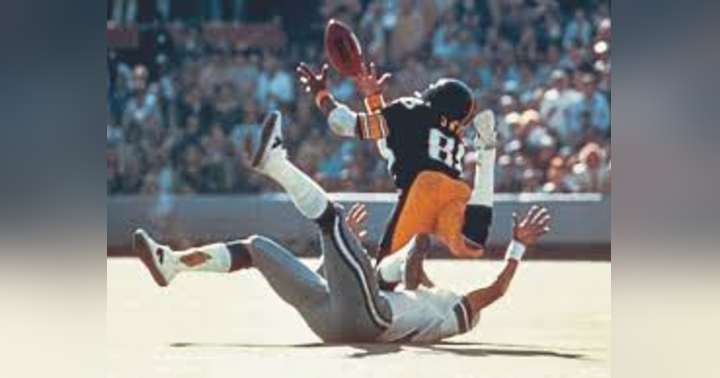
Legendary Steeler Lynn Swann